




Mouth Breathing at Night: Why It Happens and How to Stop It
By OMNIAIR Team · April 2026 · 8 min read
You wake up with a dry mouth, a sore throat, and the feeling that you barely slept. Your partner says you were snoring again. Sound familiar?
Roughly 61% of adults identify as mouth breathers. Many don't even realize they do ituntil the symptoms start adding up.
Here's why mouth breathing during sleep matters more than you think, what it does to your body, and how to fix it.
Why Do You Breathe Through Your Mouth at Night?
Your body is designed to breathe through the nose. Mouth breathing is the backup system — it kicks in when the nose can't do its job. The most common reasons:
Nasal Congestion
The number one cause. Allergies, colds, chronic sinusitis, or even dry indoor air can inflame and swell the nasal passages. Your body compensates by switching to mouth breathing. According to the Cleveland Clinic, this is the most frequently reported trigger.
Structural Issues
A deviated septum, nasal polyps, or enlarged turbinates physically block the nasal airway. In children, enlarged adenoids and tonsils are common culprits.
Habit
Even after congestion resolves, the brain can default to mouth breathing if the pattern was established long enough. It becomes an unconscious habit that persists during sleep.
Sleep Position
Sleeping on your back allows the jaw to drop open and the tongue to fall backward, narrowing the airway. Both effects promote mouth breathing.
What Mouth Breathing Does to Your Body
Dry Mouth and Dental Problems
Saliva is your mouth's defense system. It neutralizes acid, remineralizes tooth enamel, and washes away bacteria. When you breathe through your mouth all night, you dry out that protective layer.
Research shows that mouth breathing during sleep drops intraoral pH below the protective range of 6.8-7.4, accelerating enamel breakdown. A review published in Frontiers in Public Health confirmed that chronic mouth breathing is associated with higher rates of dental caries, gum disease, and in children, altered facial development including changes to jaw alignment.
Poor Sleep Quality
Mouth breathing fragments your sleep architecture — it disrupts the deeper stages of sleep that your body needs for recovery. A 2023 study published in PMC found that mouth opening during sleep is linked to greater nocturnal water loss and worse oxygen desaturation.
The numbers are significant: research has shown that mouth breathers have an average AHI (apnea-hypopnea index) of 52.15 compared to 27.4 for nasal breathers — nearly double the severity of breathing disruptions during sleep.
Snoring
Mouth breathing and snoring go hand in hand. When your mouth opens during sleep, the jaw drops, the tongue falls back, and the airway narrows — creating the vibrations you hear as snoring. A longitudinal population study found that nasal congestion triples the risk of snoring.
Reduced Oxygen Levels
When you breathe through your nose, the nasal passages produce nitric oxide — a vasodilator that improves oxygen absorption in the lungs. Mouth breathing bypasses this mechanism entirely, resulting in lower blood oxygen saturation throughout the night. Over 7-8 hours of sleep, that adds up.
How to Stop Mouth Breathing at Night
1. Clear Your Nasal Airways
If you can't breathe through your nose, no amount of willpower will keep your mouth closed during sleep. Address the congestion first:
- Saline nasal rinse — The Cleveland Clinic describes nasal irrigation as "safe, low-cost, and effective" for clearing nasal passages. Use distilled or sterile water.
- Nasal strips — External nasal dilators mechanically widen the nostrils, reducing resistance and making nasal breathing easier. A 2019 clinical study found they significantly reduced snoring time and improved sleep quality.
- Treat underlying allergies — If congestion is allergy-related, talk to your doctor about long-term management.
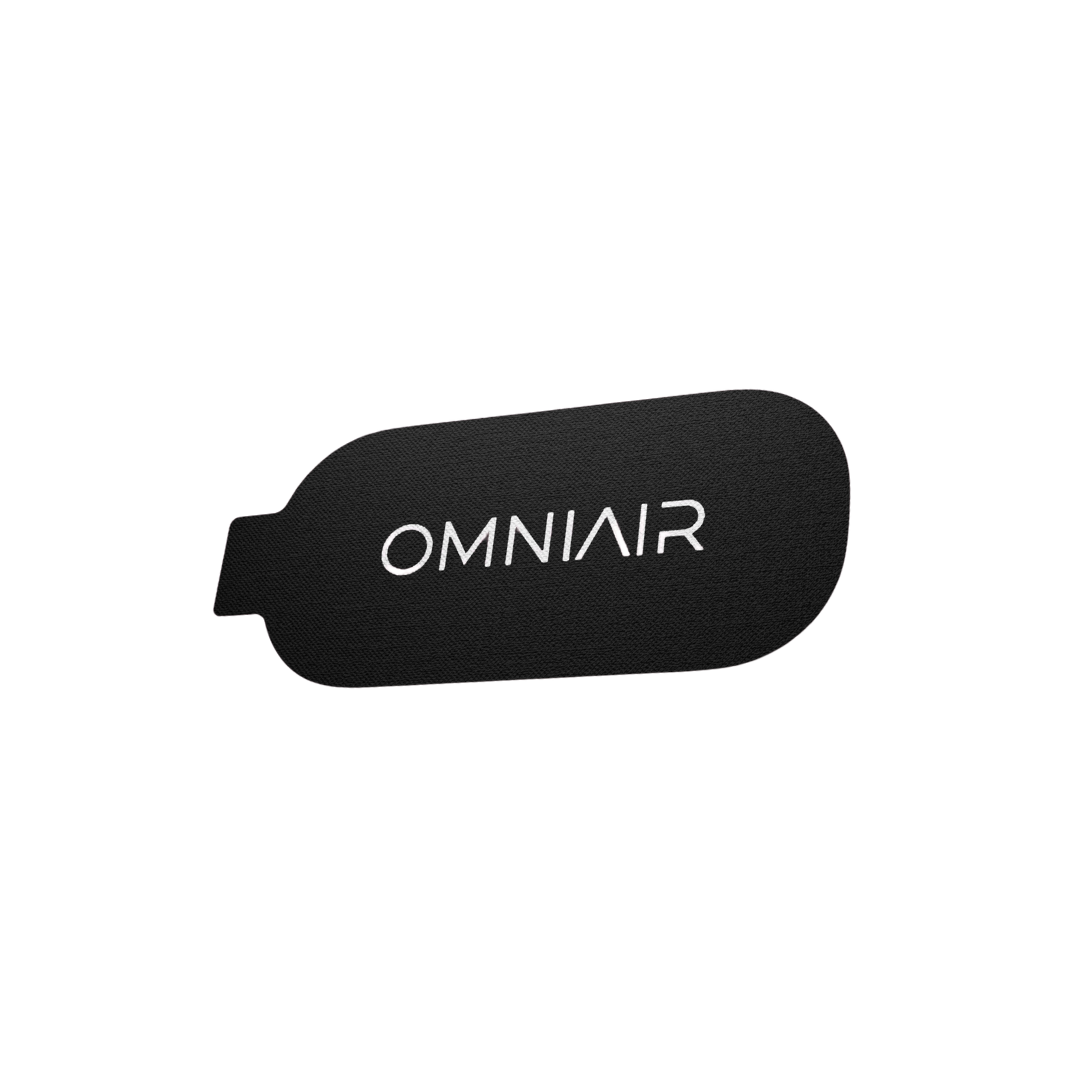
2. Use Mouth Tape
Once your nose is clear, mouth tape helps train your body to keep it closed during sleep. A 2022 study at Chang Gung Memorial Hospital on patients with mild obstructive sleep apnea found that mouth taping reduced the AHI and snoring index by nearly half — with the supine AHI showing a statistically significant reduction (p = 0.0001).
Start with tape that has a breathing hole if you're nervous, and make sure you can breathe comfortably through your nose before taping. See our beginner's guide to mouth taping for a step-by-step walkthrough.
3. Change Your Sleep Position
Side sleeping keeps the airway more open and reduces the likelihood of your mouth falling open. If you tend to roll onto your back, a positional pillow or a tennis ball sewn into the back of a sleep shirt can help.
4. Optimize Your Sleep Environment
- Humidity — Dry air dries nasal passages. A humidifier in the bedroom (especially in winter) helps maintain moisture.
- Temperature — Cool rooms (18-19°C) promote deeper sleep and better nasal breathing.
- Elevation — Slightly elevating your head can reduce nasal congestion and prevent the tongue from falling back.
5. Know When to See a Doctor
Mouth breathing is sometimes a symptom of something more serious. See a healthcare professional if you experience:
- Loud, persistent snoring with witnessed breathing pauses
- Gasping or choking during sleep
- Excessive daytime sleepiness despite sleeping enough
- Chronic morning headaches
- Feeling unrested no matter how long you sleep
These are warning signs of obstructive sleep apnea, which requires professional evaluation — typically a sleep study (polysomnography).
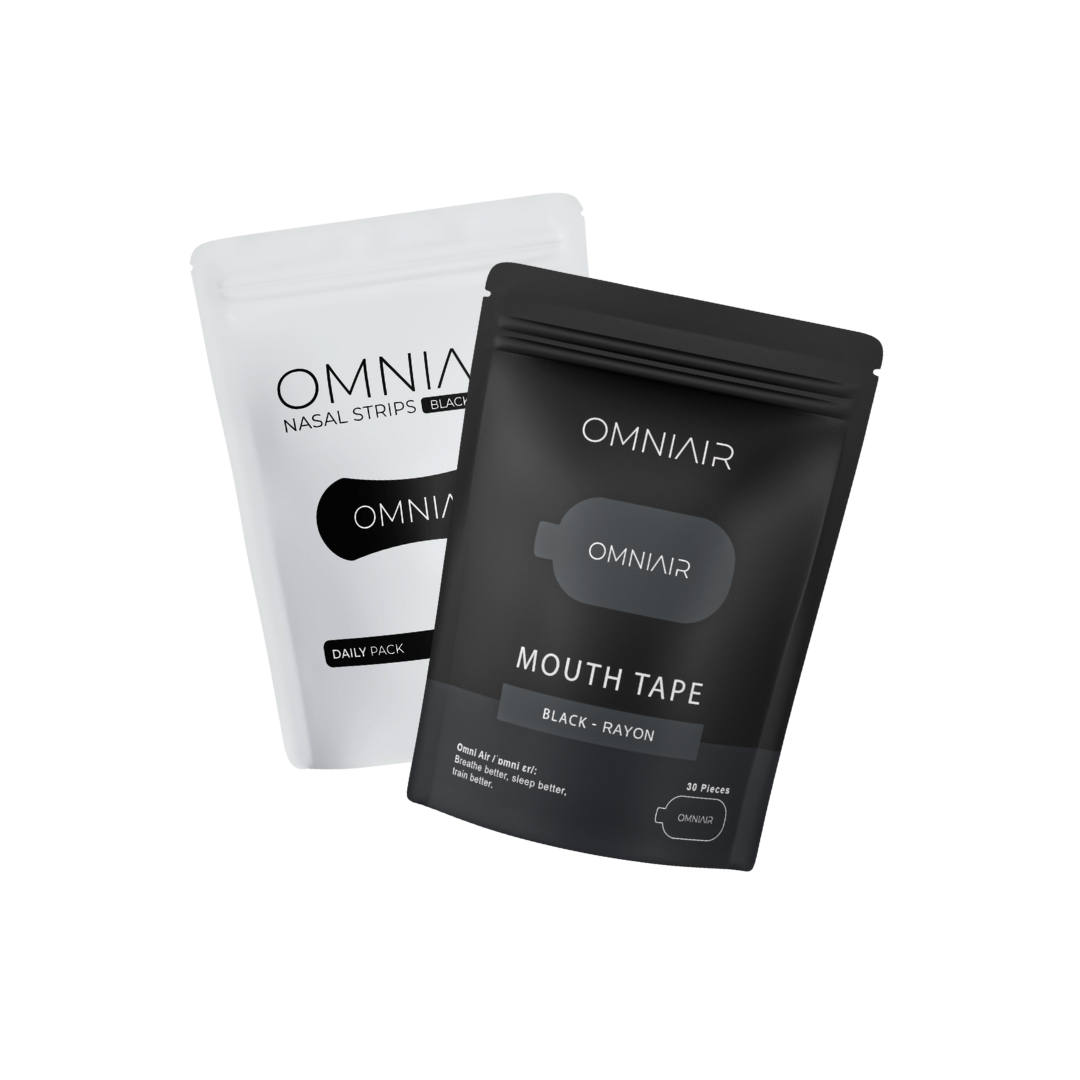
The Nasal Strips + Mouth Tape Approach
The most practical approach for most people is combining two things:
- Nasal strips to ensure the nasal airway is physically open
- Mouth tape to keep the mouth closed so air goes through the nose
This addresses the two main triggers of nocturnal mouth breathing: nasal resistance and mouth opening. The nasal strip also acts as a safety measure — if your nose became slightly congested during the night, the strip keeps the airway wider than it would be without it.
The Bottom Line
Mouth breathing during sleep isn't harmless. It affects your dental health, your sleep quality, your oxygen levels, and your energy the next day. The good news: for most people, it's fixable without medication or surgery.
Start by making sure you can breathe through your nose. Then keep your mouth closed. It sounds simple because it is.
This article is for informational purposes only and is not medical advice. If you suspect a sleep disorder, persistent nasal obstruction, or obstructive sleep apnea, consult a healthcare professional.
Sources
- Sleep Foundation — Sleeping With Mouth Open
- Cleveland Clinic — Mouth Breathing: Symptoms, Complications & Treatment
- Frontiers in Public Health — Impact of Mouth Breathing on Dentofacial Development
- PMC (2023) — Mouth Opening in Sleep Apnea and Nocturnal Water Loss
- PMC — Nasal Symptoms Increase the Risk of Snoring
- Gelardi et al. (2019) — Internal and External Nasal Dilators
- Lee et al. (2022) — Mouth Taping in Mouth-Breathers with Mild OSA
- Cleveland Clinic — Mouth Taping: Is It Safe?
- Mayo Clinic — Sleep Apnea: Symptoms and Causes
- Deng et al. (2025) — Impact of Mouth Breathing on Dental Caries
Ready to upgrade your recovery?
Science-backed tools, built for athletes who take recovery seriously.
Shop OMNIAIR
