

Cold Therapy, Explained by the Science
How cold water triggers a stress response your body adapts to, and what decades of research actually show about recovery, mood, and resilience.
Cold plunges are everywhere. Athletes lowering themselves into ice baths after training. Founders posting their morning cold shower. Biohackers calling it the reset button for body and mind. The question most of that content skips: what is actually happening inside your body when you step into cold water?
This is the full picture. No hype. No miracle claims. Just what the research says, and where it stops.
What cold therapy actually is
Cold therapy, also called deliberate cold exposure or cold water immersion (CWI), covers ice baths, cold plunges and cold showers. The common thread is simple: you expose your body to cold, usually water between 10 and 15 degrees Celsius, for a short and controlled period.
The key word is controlled. This is not the same as being cold and miserable on a winter walk. It is a deliberate dose of stress, applied on purpose. Scientists call this hormesis: a small, manageable stressor that pushes the body to adapt and come back stronger. The physiology of cold water has been studied for decades, and the initial "cold shock" response is one of the most well-characterised reactions in the field, mapped out in detail in a 2017 review by cold-water physiologist Michael Tipton.
The mechanism, what cold does to your body
The moment cold water hits your skin, temperature receptors fire a rapid signal to your nervous system. Three things happen almost immediately.
- The cold shock response. A sharp intake of breath, faster breathing, a jump in heart rate and blood pressure, and a surge of noradrenaline. This is the phase to respect and to control with your breathing.
- Vasoconstriction. Blood vessels near the skin clamp down and shunt blood toward your core to protect your vital organs. When you warm back up, blood flows outward again. That flush of fresh circulation is part of why people describe feeling reset afterwards.
- A catecholamine surge. Cold drives a large release of noradrenaline and dopamine into the bloodstream, and your metabolic rate climbs as the body works to generate heat.
The numbers from the most-cited study here are striking. In Šrámek et al. (2000), published in the European Journal of Applied Physiology, men immersed up to the neck in 14 degree water for one hour showed plasma noradrenaline rise by roughly 530 percent and dopamine by roughly 250 percent, while resting metabolic rate increased sharply in the coldest water.
One honest caveat that most cold plunge content leaves out: the dopamine measured in this study is in the blood, not the brain. Dopamine does not cross the blood-brain barrier easily, so a rise in blood dopamine does not automatically mean a matching rise in your brain. The alertness and focus people feel is driven mostly by noradrenaline and the nervous-system activation, which is real. The exact "dopamine high" story is partly true and partly overstated. That distinction matters if you want the science, not the sales pitch.
Temperature and time matter
Cold therapy follows a dose response. Too warm, and little happens. Too cold or too long, and the risk rises fast: hypothermia, and for the cardiovascular system, the initial cold shock is the genuinely dangerous part.
- Temperature: most research and practical protocols use water between 10 and 15 degrees Celsius.
- Duration: most of the benefit is captured in the first few minutes. Longer is not automatically better.
- Entry: the first 30 to 60 seconds carry the cold shock response. Ease in, breathe slowly, and stay in control.
What the research shows, three areas
The literature on cold is broad and, in places, still debated. We will keep it to the three areas where the evidence is most relevant: recovery, mood and resilience, and immune function.
1. Recovery and muscle soreness
This is the most studied use case. A 2012 Cochrane review by Bleakley and colleagues pooled 17 trials with 366 participants and found evidence that cold water immersion reduces delayed onset muscle soreness (DOMS) compared with passive rest after intense exercise.
The authors were honest about the limits: study quality was low and protocols varied widely. But the direction was consistent, and it lines up with the mechanism. This is why professional teams across football, rugby and endurance sport have used ice baths as a standard recovery tool for years. Cold blunts the inflammatory response and the perception of soreness, so you feel readier for the next session.
2. Mood, alertness and stress resilience
The catecholamine surge from Šrámek's study is the foundation here. Noradrenaline sharpens arousal, focus and mood, and the effect lasts well beyond the plunge itself. Many people report a clear lift in energy and mental clarity for hours afterward.
There is a second, slower benefit that is harder to measure but arguably more valuable: repeated cold exposure trains your stress response. Each time you choose to step into water your body wants to avoid, and stay calm through the gasp reflex, you rehearse staying composed under acute stress. Over time the same cold feels less overwhelming. That is adaptation, and it is a skill that carries over beyond the tub.
3. Immune function and sick days
The largest trial in this space is Buijze et al. (2016), published in PLOS ONE. Researchers randomised 3,018 adults to finish their normal shower with 30, 60 or 90 seconds of cold water, or to shower as usual, for 30 days.
The result: the cold groups recorded a 29 percent reduction in sickness absence from work compared with the control group. Interestingly, the number of illness days people reported did not differ, so they were not necessarily getting sick less often, but they were showing up more. It is a large, pragmatic study, and it points at something real, even if the exact mechanism is still open.
What cold therapy is not
This part matters, because the wellness industry tends to oversell anything with a positive signal. The honest version:
- It is not a cure. Cold therapy does not cure or prevent disease. It is a recovery and resilience tool, not a medical treatment.
- Timing matters if you want to build muscle. A 2015 study by Roberts et al. in The Journal of Physiology followed 21 men through 12 weeks of strength training. The group that used cold water immersion after every session gained less muscle mass and strength than the group that did active recovery. If your goal is hypertrophy, do not ice bath straight after lifting. Save it for rest days, endurance sessions or skill work.
- The cold shock is the real risk. Enter slowly, never plunge alone in very cold open water, and if you have a heart condition or high blood pressure, talk to a doctor first.
- It works alongside, not instead of, the basics. Sleep, training load, nutrition and breathing come first. Cold therapy is a layer on top.
How OMNIAIR thinks about it
We started OMNIAIR with the things that matter most for breathing and sleep: nasal strips and mouth tape. Cold therapy fits the same philosophy. It is part of a recovery lifestyle, the missing half of the performance conversation.
The world is saturated with content about pushing harder. Train more, work later, sleep less. The data, and the experience of every athlete operating at the top, points the other way. Recovery is where the actual progress happens. Training is the stimulus. Sleep, breathing, temperature, that is where the body adapts. Cold sits alongside heat and light in that recovery toolkit, which is also why we wrote a companion piece on the science of red light therapy.
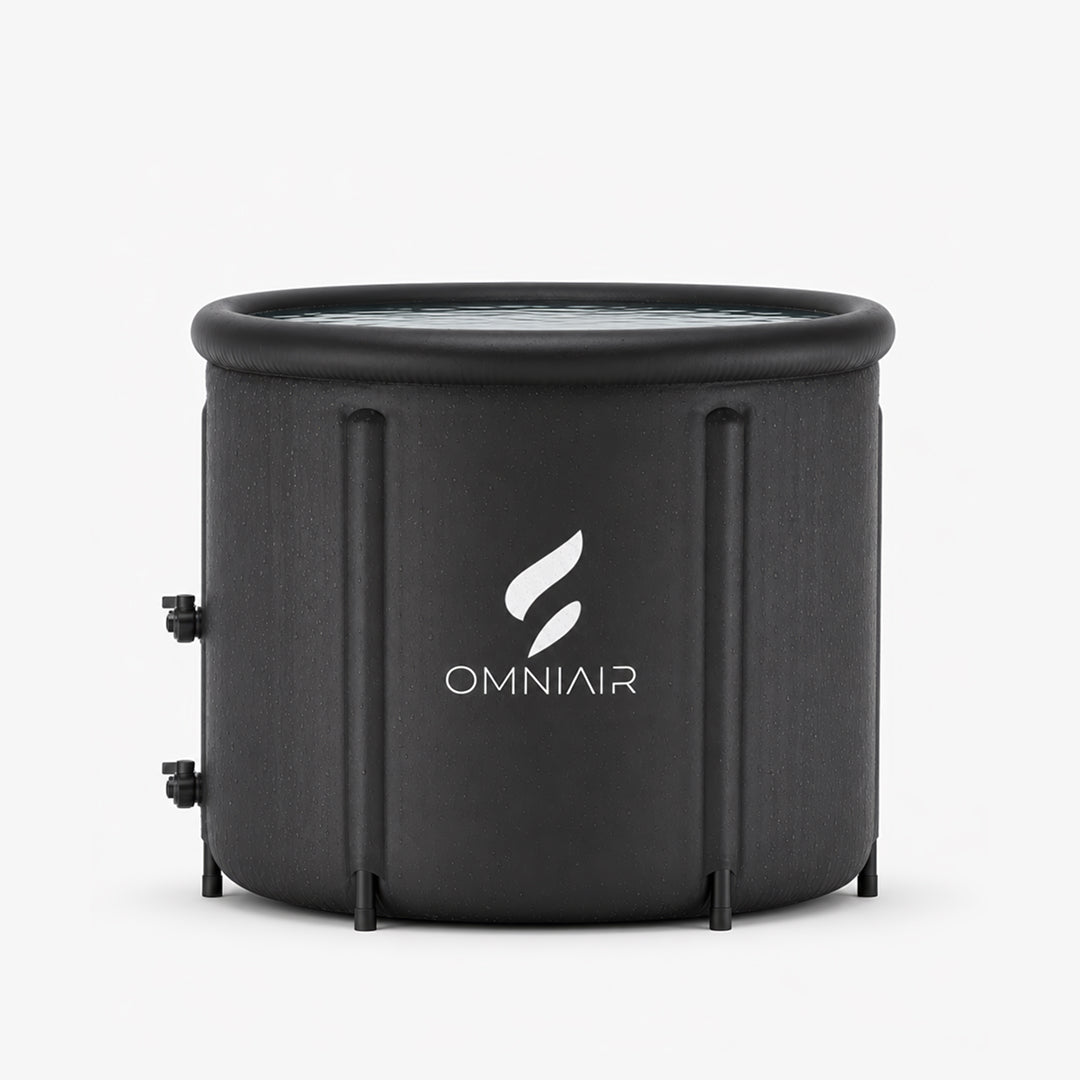
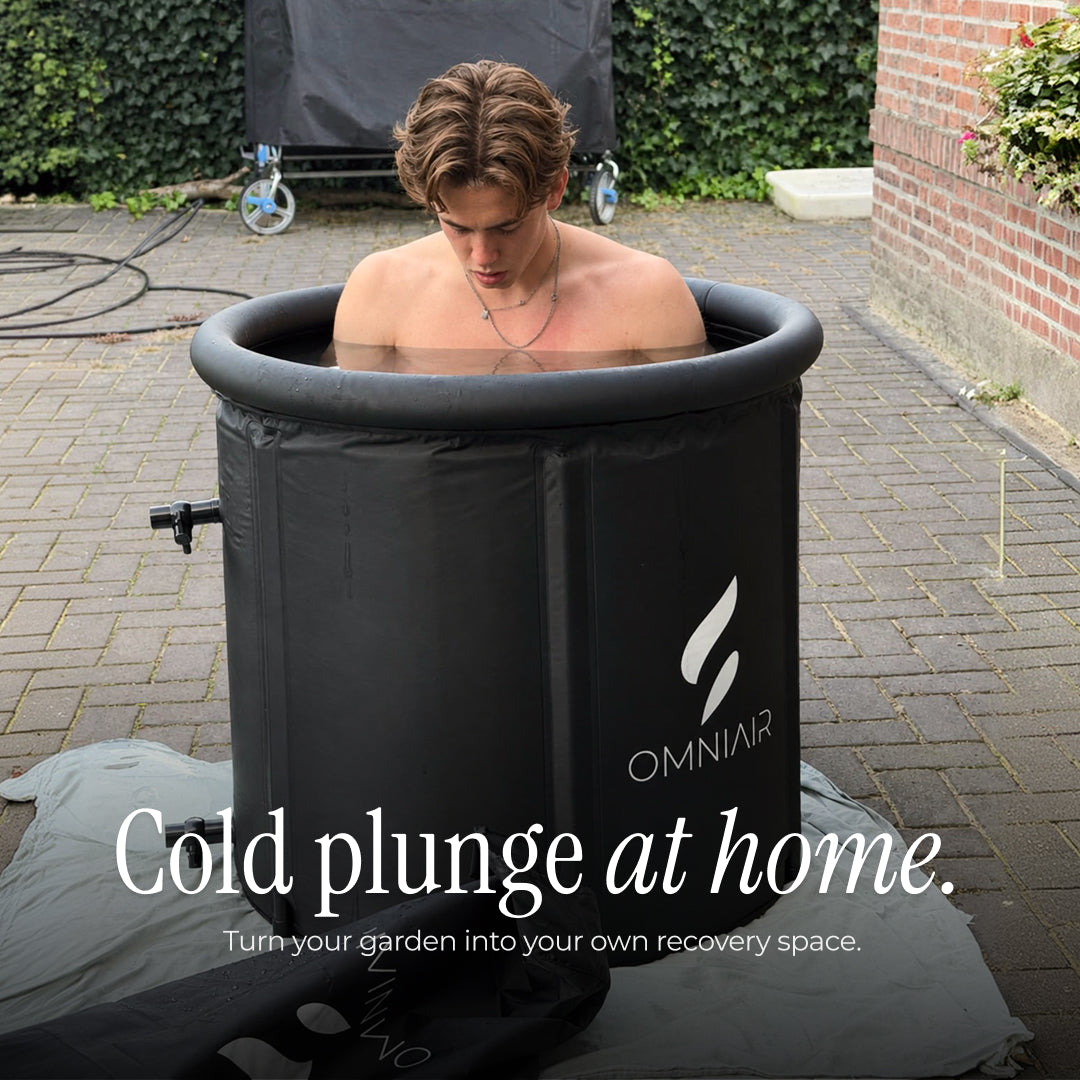
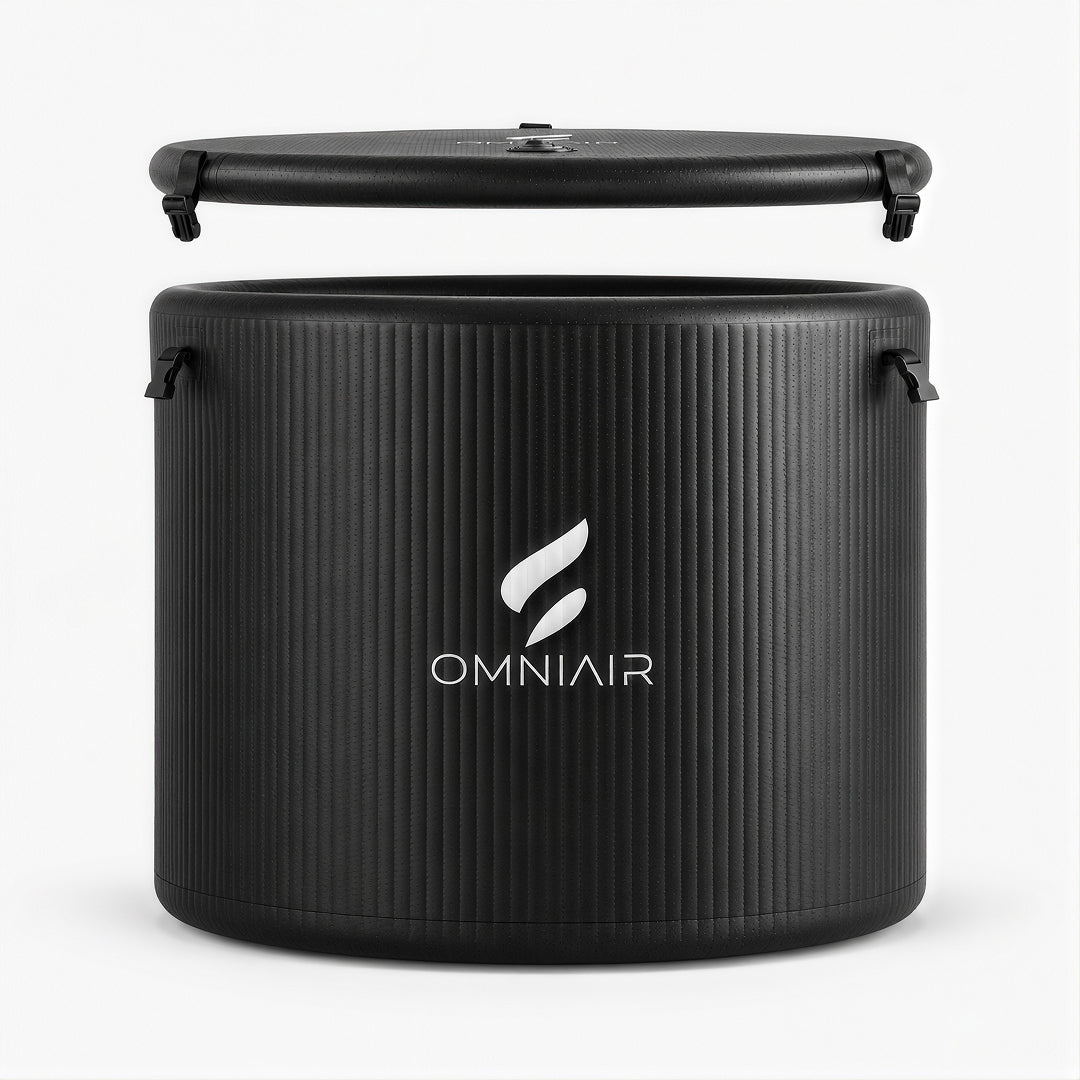
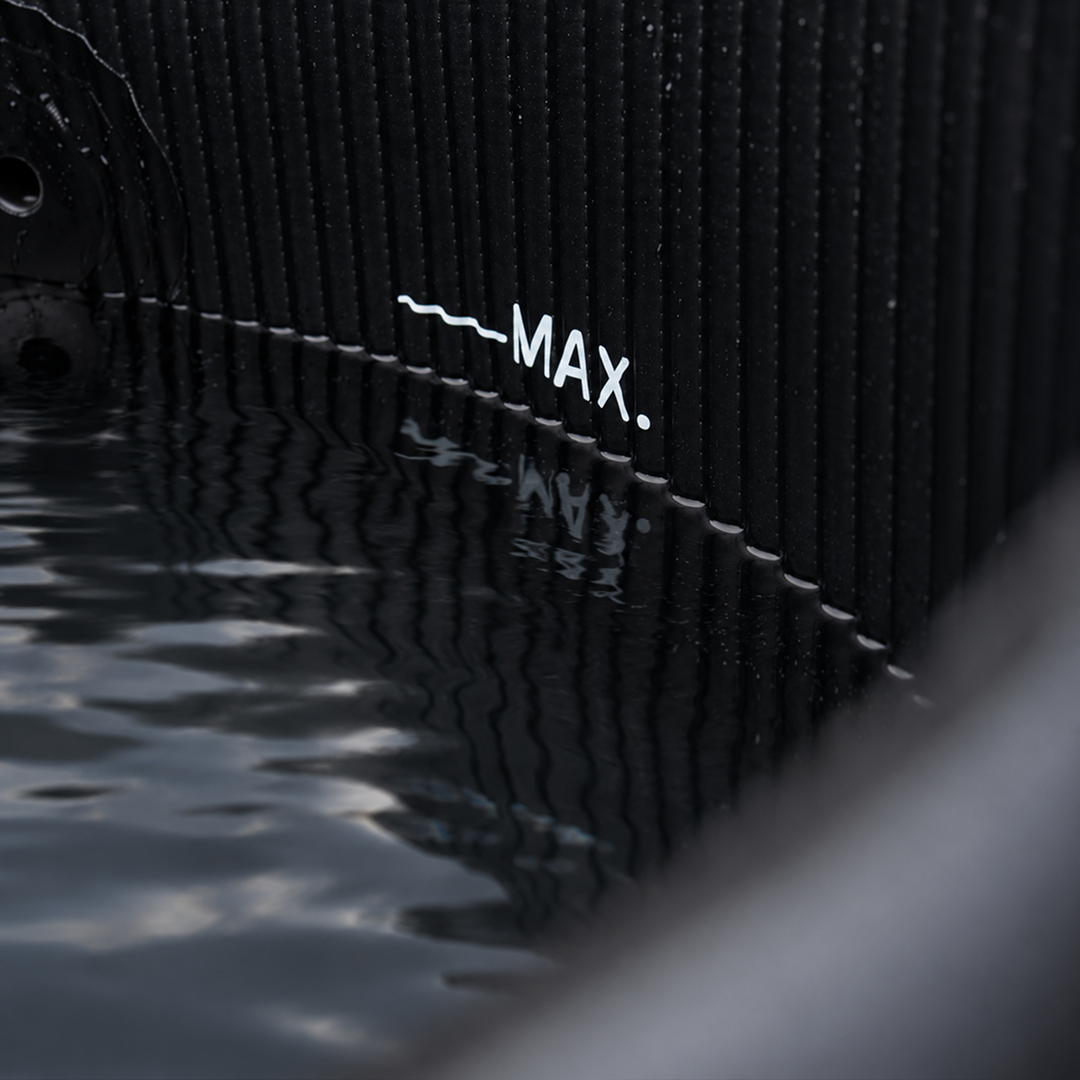
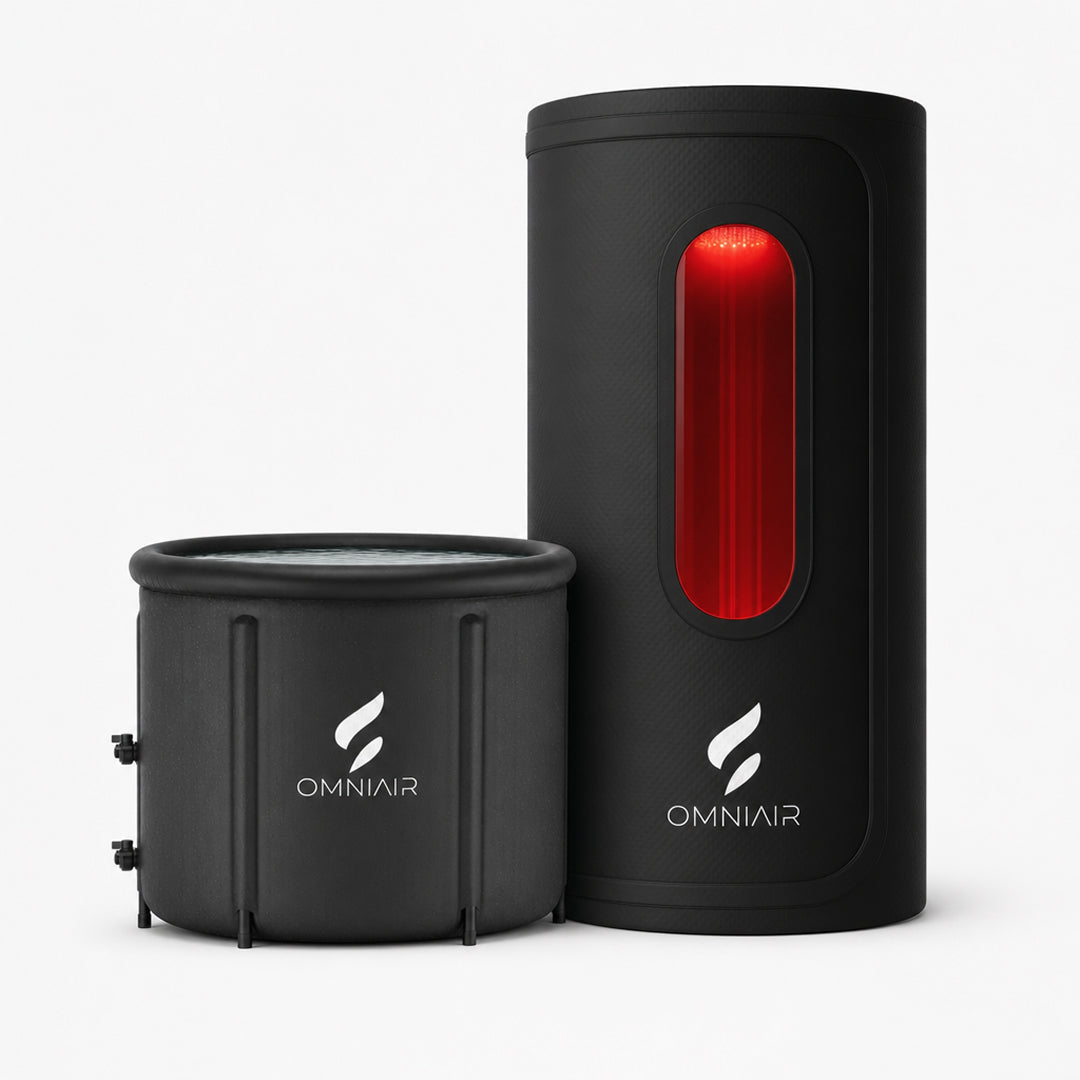
Our Cold Plunge Ice Bath is built to make consistent cold exposure practical at home, so the barrier between you and the plunge is as low as possible. Because with cold therapy, consistency is the whole game.
How to use cold therapy
If you are starting out, keep it simple:
- Temperature: 10 to 15 degrees Celsius to start. You do not need to chase extreme cold for benefit.
- Duration: 2 to 5 minutes as a beginner, building toward 10 if you want. Most of the effect is in the first few minutes.
- Frequency: 2 to 4 times per week. Even ending a shower with 30 seconds of cold counts.
- Timing: mornings support alertness and focus. Avoid immersing straight after strength training if muscle growth is the goal. Rest days and post-endurance sessions are ideal.
- Breathing: control the gasp reflex with a slow, long exhale. Calm breathing is how you stay in charge of the plunge instead of the plunge running you.
- Patience: the recovery and mood effects show quickly, often from the first sessions. The resilience benefit builds with consistency.
The short version
Cold water triggers a controlled stress response: a spike in noradrenaline, a surge of circulation, and a metabolic push to generate heat. Your body responds by sharpening alertness, blunting soreness, and, with repetition, adapting to handle stress better.
The evidence is strongest for recovery and soreness, promising for mood and resilience, and interesting for immune function. It is not a miracle, and timing it wrong can cost you muscle. Used well, it is a simple, proven tool with a clear mechanism and decades of research behind it.
Recovery is the missing piece.
Disclaimer: Our ice baths are not medical devices and are not intended to diagnose, treat, cure or prevent any medical condition. Cold water immersion carries risks for people with cardiovascular conditions. If you have a health concern, consult a qualified healthcare professional before starting.
Sources
- Šrámek, P., Šimečková, M., Janský, L., Šavlíková, J., & Vybíral, S. (2000). Human physiological responses to immersion into water of different temperatures. European Journal of Applied Physiology, 81(5), 436 to 442. https://pubmed.ncbi.nlm.nih.gov/10751106/
- Tipton, M.J., Collier, N., Massey, H., Corbett, J., & Harper, M. (2017). Cold water immersion: kill or cure? Experimental Physiology, 102(11), 1335 to 1355. https://doi.org/10.1113/EP086283
- Bleakley, C., McDonough, S., Gardner, E., Baxter, G.D., Hopkins, J.T., & Davison, G.W. (2012). Cold-water immersion (cryotherapy) for preventing and treating muscle soreness after exercise. Cochrane Database of Systematic Reviews, (2), CD008262. https://pubmed.ncbi.nlm.nih.gov/22336838/
- Roberts, L.A., Raastad, T., Markworth, J.F., Figueiredo, V.C., Egner, I.M., Shield, A., Cameron-Smith, D., Coombes, J.S., & Peake, J.M. (2015). Post-exercise cold water immersion attenuates acute anabolic signalling and long-term adaptations in muscle to strength training. The Journal of Physiology, 593(18), 4285 to 4301. https://pmc.ncbi.nlm.nih.gov/articles/PMC4594298/
- Buijze, G.A., Sierevelt, I.N., van der Heijden, B.C.J.M., Dijkgraaf, M.G., & Frings-Dresen, M.H.W. (2016). The Effect of Cold Showering on Health and Work: A Randomized Controlled Trial. PLOS ONE, 11(9), e0161749. https://journals.plos.org/plosone/article?id=10.1371/journal.pone.0161749

Ready to upgrade your recovery?
Science-backed tools, built for athletes who take recovery seriously.
Shop OMNIAIR